What Gets Erased
On the grandfather's gardens, the gingerbread houses, and the places we're too hurried to save

One of my favorite photos is of my son holding up a massive iris rhizome. He’s grinning, arms outstretched, the muddy bulb almost as big as his torso. We dug it up from a garden that had maybe three days left to exist.
Two years ago, we spent a full day rescuing plants from an overgrown property. We dug up buckets of irises, tulips, peonies, daffodils — anything we could get out of the ground before evening. The property was owned by a man whose late grandfather once lived there, and he needed to leave by sundown. He had sold his grandfather’s house to a developer who planned to tear everything down to build an assisted living facility.
Behind the house stood old apricot and peach trees. A fish pond sat nearby, going green and quiet. And there was that garden; overgrown, a little wild, clearly once the grandfather’s pride. In a few days, all of it would be razed to the ground.
I understand why this happens. Progress is real, and an assisted living community serves the public. But standing in that garden, looking at those mature plants, I felt it anyway: a deep, quiet waste. My wife and I loathe watching good things disappear without a fight, so we spent the rest of the evening digging, pulling, and saving as much as we could.
That property was one story. But I’ve been noticing the same pattern for years, and the more I look, the more I see it everywhere.
There was a house on the main road in my town that looked exactly like a gingerbread house. Log cabin construction, brown-and-white paint, flower boxes bursting with color, and small carved wooden hearts at the roof peaks. It reminded me of the witch’s house in Hansel and Gretel. Quirky, specific, clearly meaning the world to someone.
It sat on the market for over a year. When it finally sold, the new owners tore it down almost immediately and put up a plain black-and-white, high-contrast building in its place. You know the type, the current style du jour. It makes my stomach churn every time I drive past it.
Let me be honest: I wouldn’t have lived in the original house myself. But I admired it. I admired what it said about the person who built it. It had its own sense of place.
After my stomach settles, I think about those wooden hearts. Someone, a real person with tools and ideas and probably a healthy amount of stubbornness, took the time to carve them. To measure them out. To climb up and nail them to the roof peaks instead of leaving the line clean and simple. They chose flower boxes over a bare wall. Every one of those decisions was a small act of intention, a declaration that this place was theirs.
We see those decisions in historic buildings and odd local landmarks. We’re looking at accumulated human presence; our stand against the world. And it’s remarkable how fast we erase it.
A crew with an excavator can wipe out a century of careful work in under an hour. What replaces it — vinyl siding, flat facades, interchangeable layouts — will itself be landfill in twenty years. We’re not just wasting materials. We’re dismissing the people who came before us. We’re saying their time, their skill, and their specific, unrepeatable vision weren’t worth saving.
Today, our culture treats replacement as progress itself. If a machine can produce a million identical plastic pieces in an hour, we call it progress. But when we apply that same logic to our homes, towns, and infrastructure, we end up with places that all look the same and feel like nowhere in particular. At scale? Sure, call it progress. For identity? Probably not.
The grandfather who planted those peach trees and divided those iris rhizomes wasn’t thinking about efficiency or return on investment. He was thinking in decades, working slowly with the earth, perhaps knowing he’d never see those trees at full height. He was building an identity, a place in time, for himself and for the people who would come after him. His garden stood long after he was gone, blooming for strangers, a defiant last stand.
It’s no wonder our sense of place isn’t grounded anymore. It’s because everything looks the damn same.
I’m not arguing for any particular aesthetic: minimalism, maximalism, log cabins with hearts on the roof, or something else entirely. What I’m arguing for is grounding your sense of place, the willingness to do the thing that isn’t faster, cheaper, or optimized for anyone else’s timeline. To plant a tree you won’t see fully grown. To carve those hearts. To build something specific and unrepeatable in this world, and to mean it.
History has rough edges, strange detours, and stories too specific to fit a template. That’s exactly what makes it worth learning from and worth honoring.
I couldn’t save the gingerbread house or the grandfather’s garden. But I have a photo of my son holding that iris rhizome, grinning like he’d found treasure. Because he had.
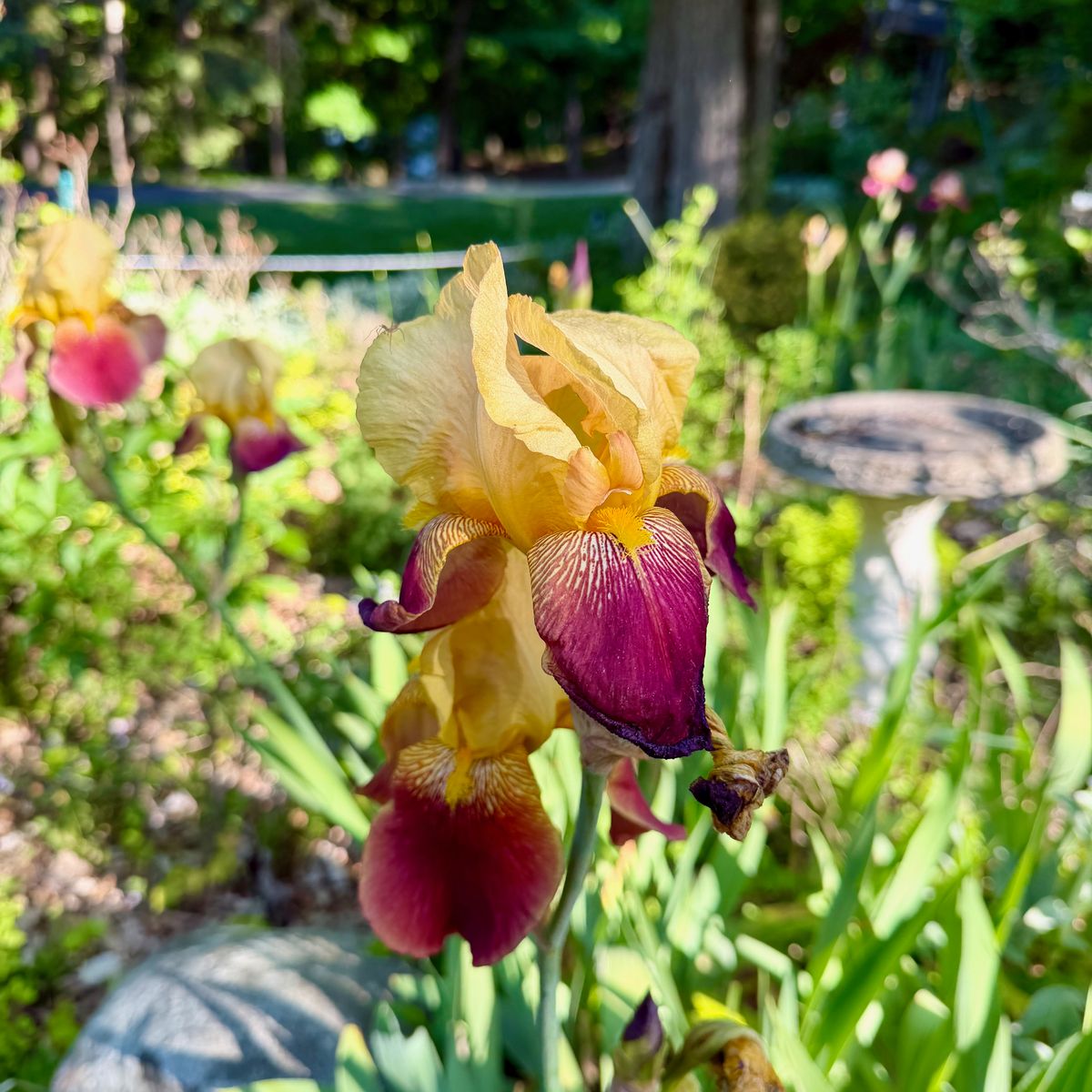
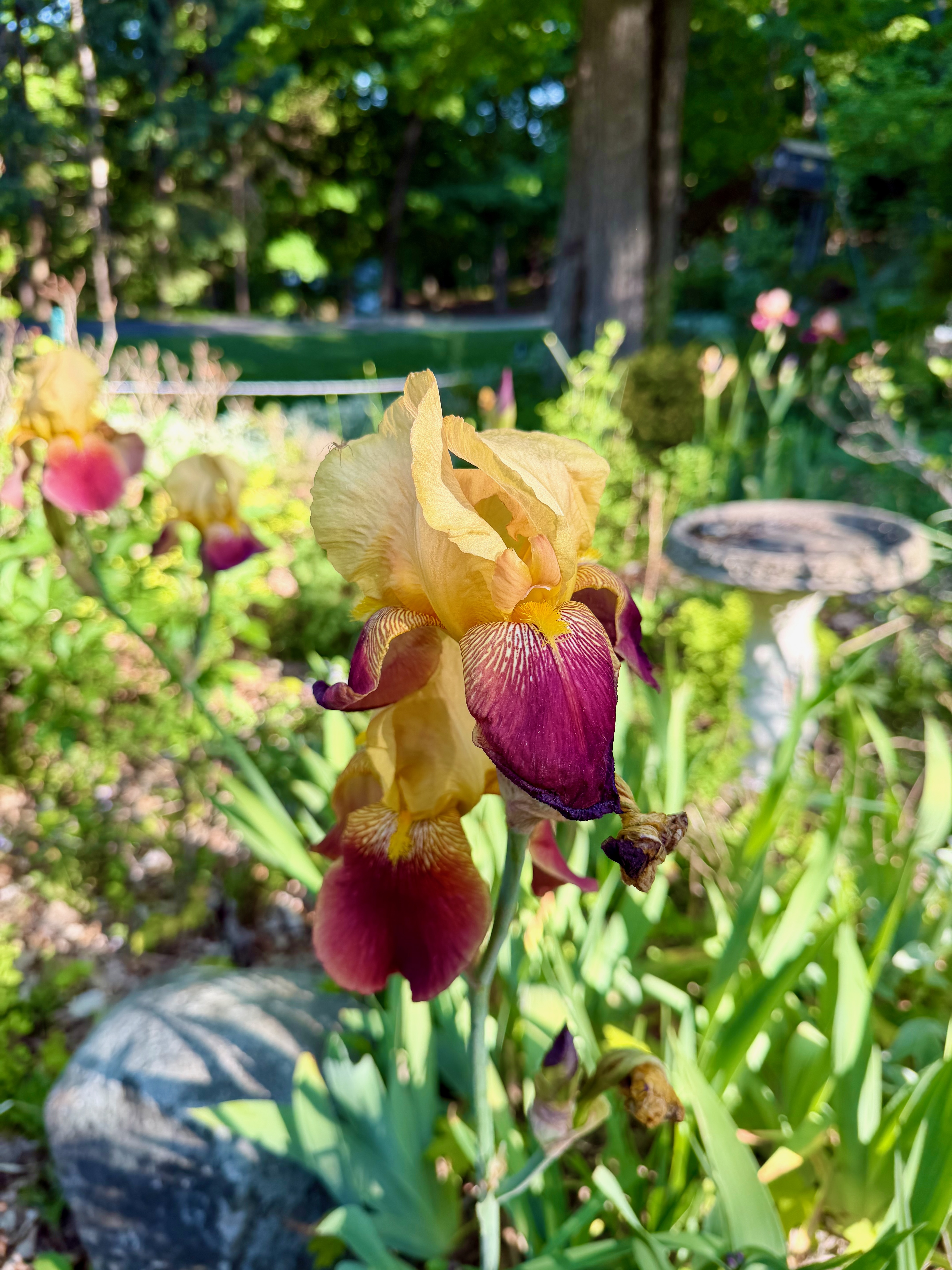
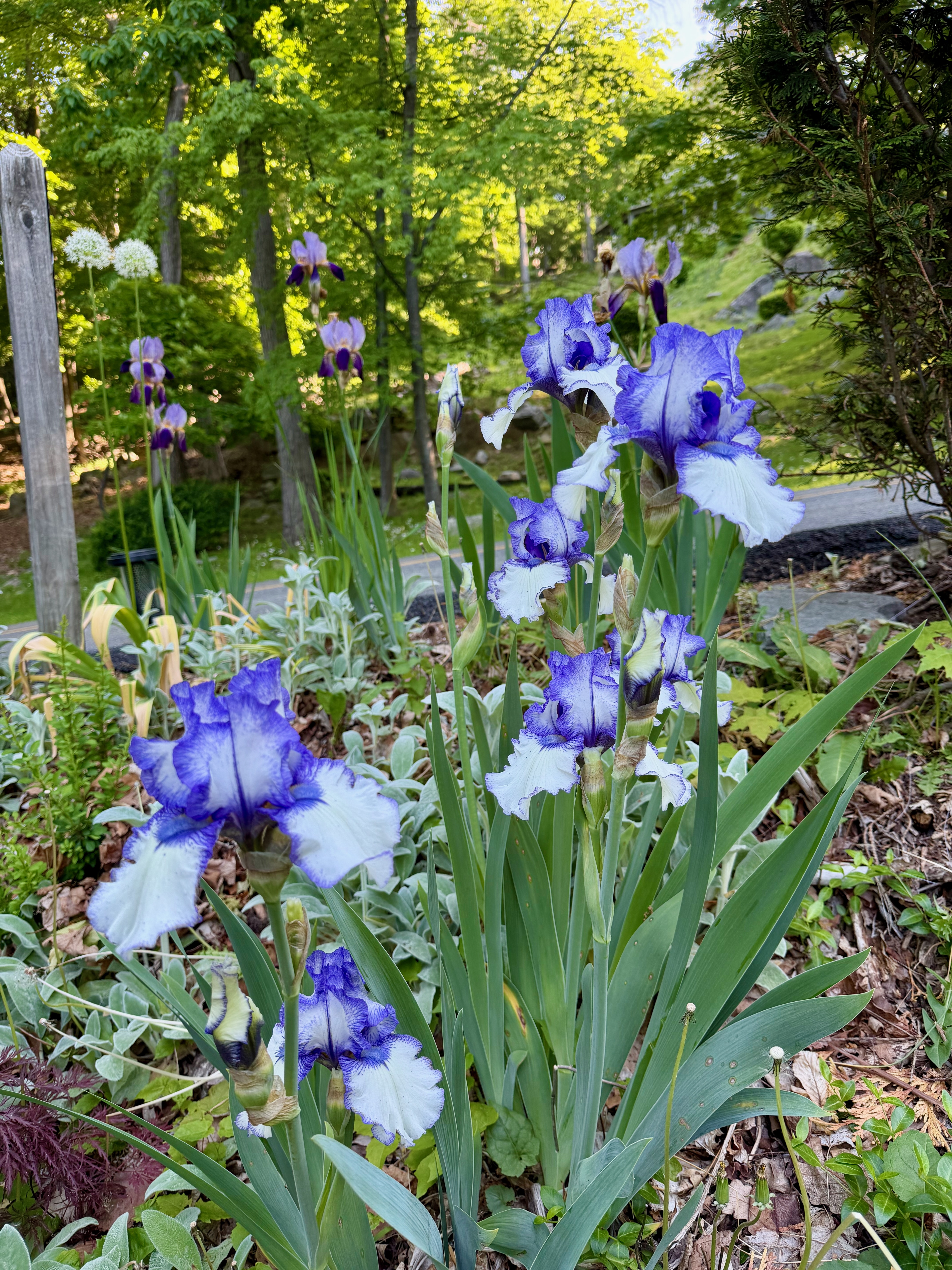
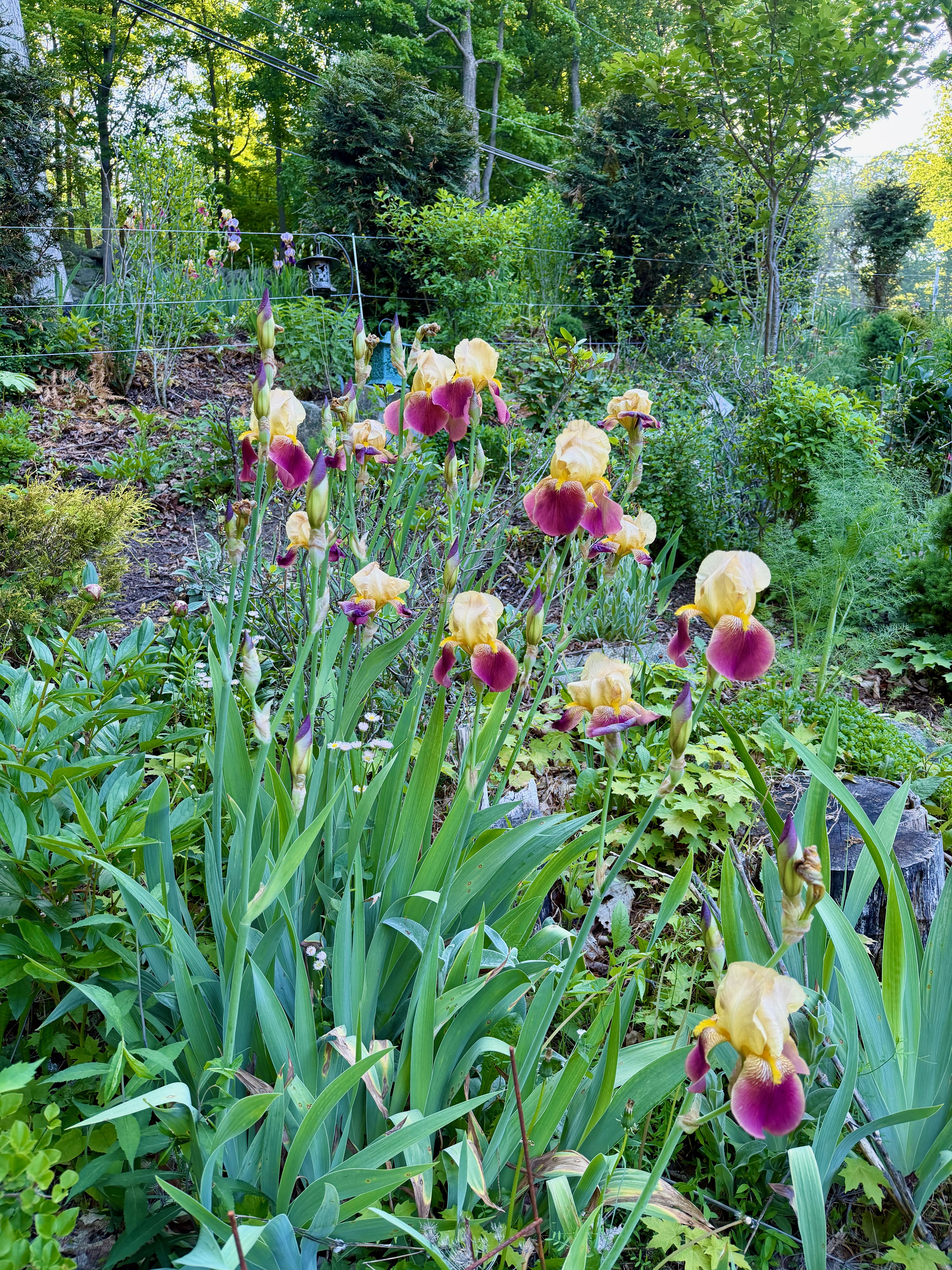
This spring, those rhizomes and bulbs bloomed in our own garden. Their colors are a living reminder that something unique survived, not by accident, but because someone took the time to dig it up and carry it home.
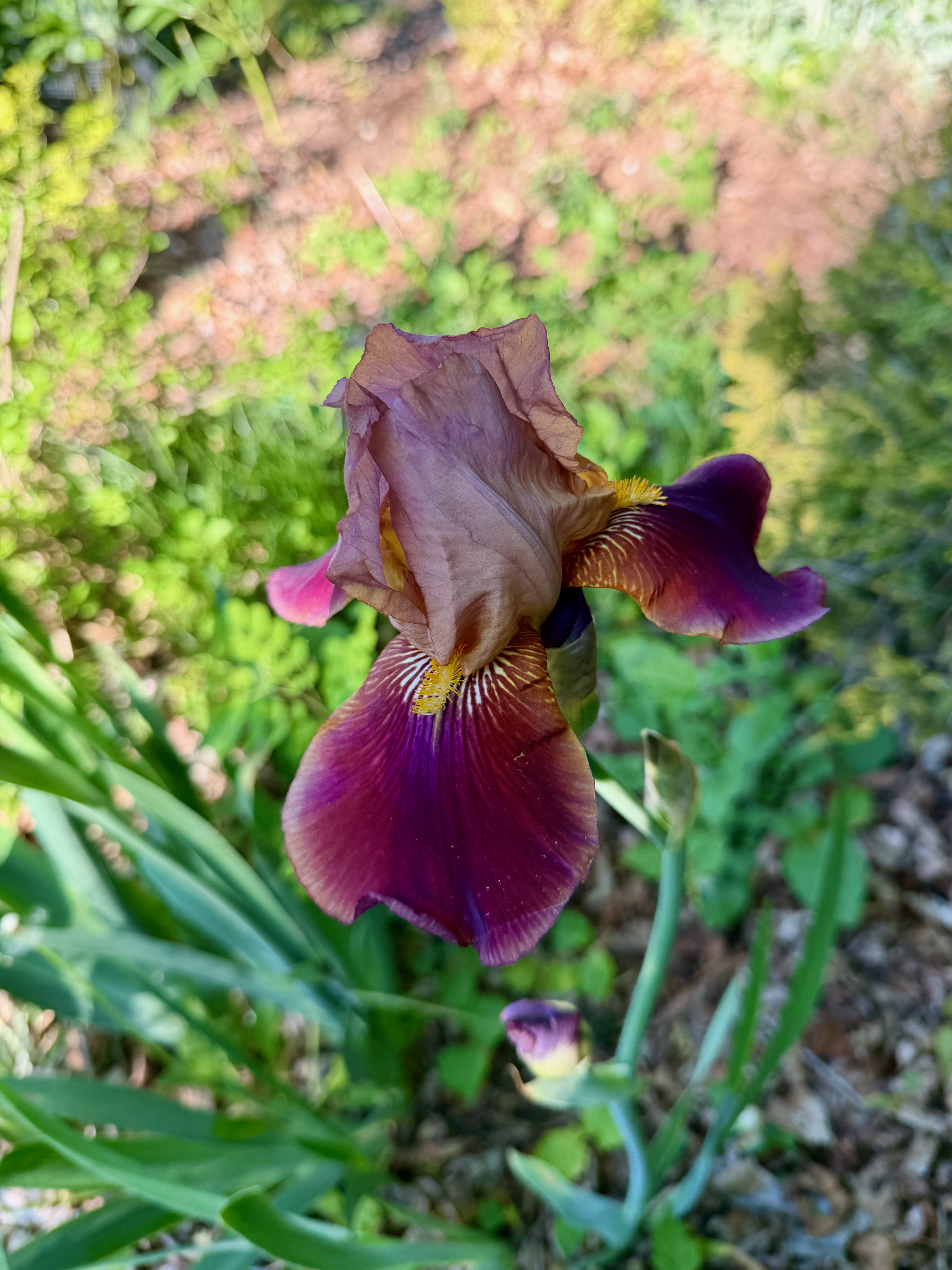
Your life doesn’t have to look like anyone else’s. In fact, the best parts usually don’t. Make it specific. Make it yours. Plant things that outlive you. Leave some rough edges.
Carve your hearts.
Special thanks to Thomas Dinsmore and his note about his grandparents’ irises for inspiring this story.